Description
What the PFQ97HSPVDS is and where it fits
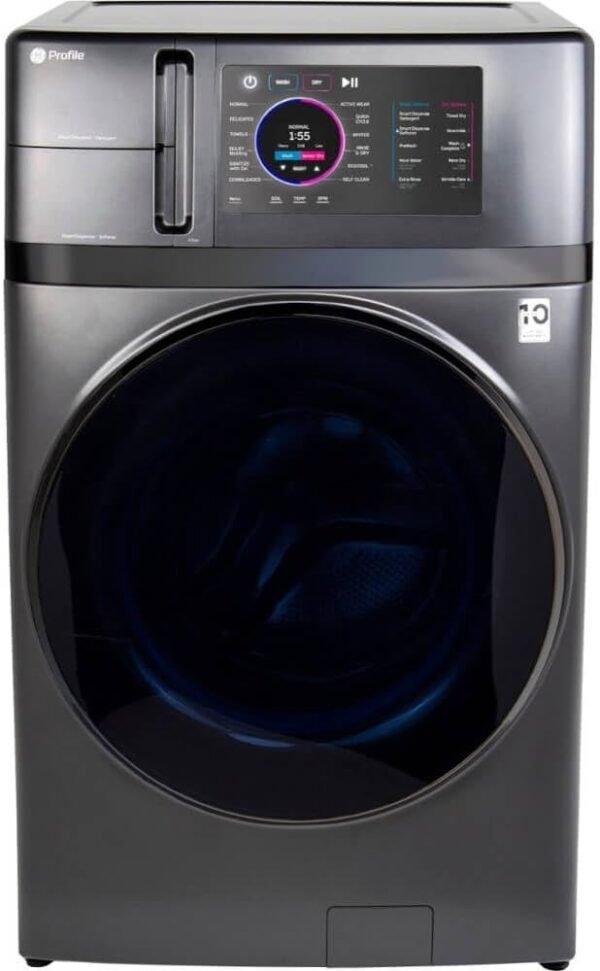
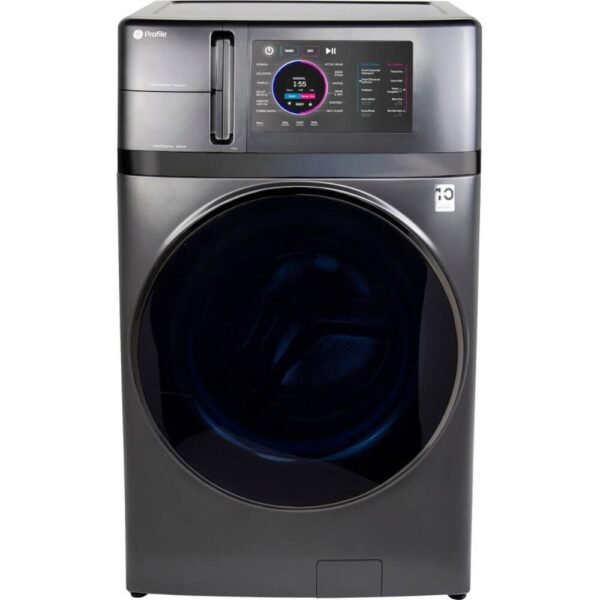
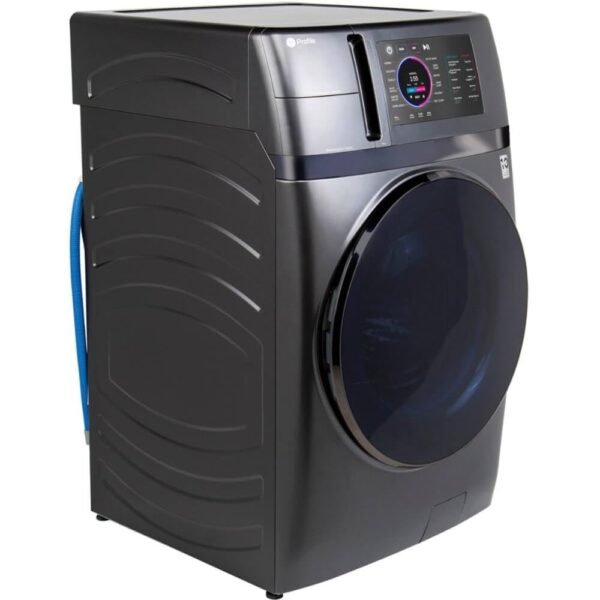
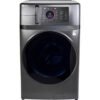
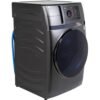
This is the combination washer and dryer that answers the objection most people have to the format. It is a 28 inch front loading unit with 4.8 cubic feet of capacity that washes and dries in one drum, and GE states plainly in its own description that it is a 120 volt design. That single specification is what separates it from most of the category: a 120 volt appliance plugs into an ordinary household outlet, which means it can be installed where no dedicated dryer circuit exists. GE also states it is approved for alcove or closet installation and that it is ADA compliant. It weighs 323 pounds, the cabinet is listed as 32 by 28 by 46.7 inches, and the maximum depth with the door open is given as 54.5 inches, which is the measurement that decides whether a closet door will close.
Living with it day to day
GE gives a time figure and it is refreshingly honest: a large load of laundry completed in about two hours, washed and dried, without transferring anything. Two hours is longer than a wash plus a vented dryer would take, and shorter than most combination machines manage, and stating it up front is better practice than the cycle time claims most manufacturers publish with a footnote. The drying method is a ventless heat pump with what GE calls a High-Airflow system, recirculating filtered air at speed rather than heating it hard, which is why GE says it can dry activewear and denim gently instead of requiring a hang dry.
The capacity claim is that 4.8 cubic feet will take a king size comforter. That is a wash claim; whether the same load will dry in one pass is a separate question the listing does not answer, and it is the standard limitation of the format. GE publishes no decibel rating, which is standard across this catalog and applies equally to the LG WM3555HWA. What it does describe is an easy to reach lint filter system for removing lint and micro particles, which matters more on a ventless machine than on a vented one, because a ventless dryer has nowhere to throw lint and its performance falls off quickly when the filter loads up. Anyone comparing combination approaches should look at the heat pump LG WM6998HBA and the Samsung WD53DBA900HZ.
Controls and connected features
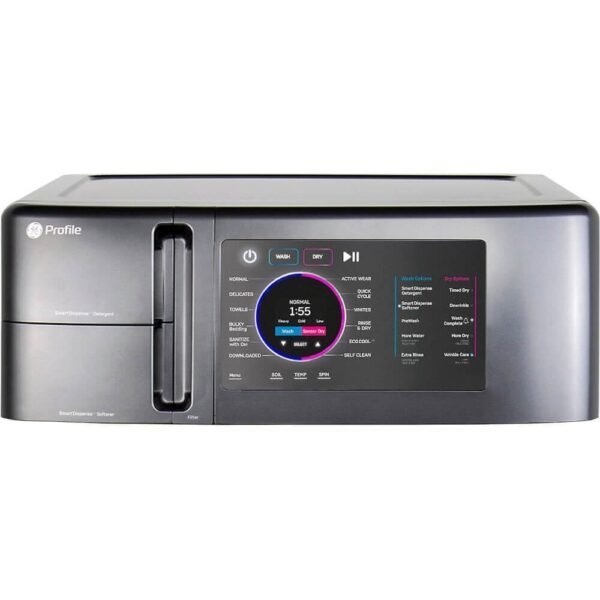
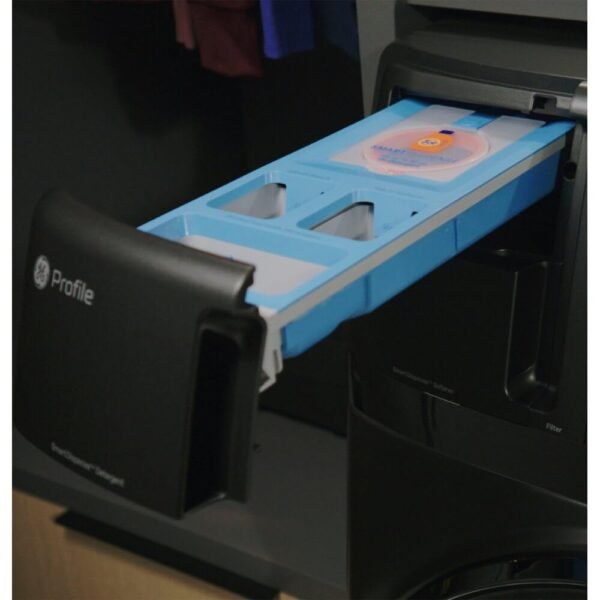
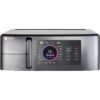
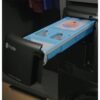
SmartHQ is GE’s platform and the integration here is more than notifications. The intelligent dispenser holds enough detergent and softener for up to 32 loads, and GE describes scanning the barcode on the bottle with the app so the machine dispenses the right amount for that specific product. That is a genuinely useful use of connectivity rather than a remote start gimmick, because detergent overdosing is a real cause of residue and odor in front loaders. The app also allows specialty cycles to be downloaded to the machine and firmware updates to be started.
The qualification is important and cuts both ways here. Washing and drying run from the machine’s own control board and complete with no network. But the barcode dispensing feature and downloadable cycles are app dependent by design, so unlike remote start, those are functions that genuinely stop existing if the platform is retired. The dispenser will still dispense; it will do so on the machine’s default assumptions rather than on the scanned product. Buyers paying for that feature should understand it has a platform lifespan attached, which is shorter than the appliance’s.
Running cost and upkeep
The electrical position is the clearest in this catalog. GE states 120 volts and lists a power cord among the included components, so this is a plug in appliance rather than one needing a dedicated dryer circuit. No amperage is published, so the installation manual should still be checked for the circuit requirement, and a combination unit on 120 volts will draw more than a phone charger even if it fits a normal outlet. There is no venting requirement at all, which is the other half of why this machine can go in a closet, and no gas connection. Water supply and drain are still needed for the washing half.
GE claims 50 percent more energy efficient drying with the ventless heat pump, and the footnote marker for that claim is present in the listing while the footnote text itself is cut off, so the comparison basis is unknown. Treat it as a manufacturer claim without a stated baseline. Energy Star certification is stated, though the specification met field is filled with a mangled string. No annual energy figure is published. The warranty structure is unusually well documented and worth knowing: one year parts and labor, ten year limited motor, and five year limited sealed drying system. A five year sealed system term is meaningful on a heat pump, since the sealed refrigeration circuit is the expensive part. Upkeep is the lint filter every load, the gasket and dispenser routine every front loader needs, and periodic cleaning of the heat pump condenser. GE states it provides protection on the gasket, dispenser and draining system to help prevent odors. Other machines in this format are covered under all in one combination washers and dryers, and GE’s separate washers include the GE GFW850SPNRS.
Highlights
- GE states a 120 volt design, so no dedicated dryer circuit is required.
- Ventless heat pump drying, so no duct and no exterior wall are needed.
- Approved for alcove or closet installation and stated to be ADA compliant.
- 4.8 cubic feet with 12 wash and 14 dryer cycles, and a stated two hour wash and dry.
- Bulk dispenser holds up to 32 loads of detergent and softener.
- Ten year limited motor and five year limited sealed drying system warranties.
Things To Consider
- The 50 percent efficiency claim has its footnote cut off, so the comparison basis is not stated.
- No amperage is published even though the voltage is, so the circuit requirement needs checking.
- No separate drying capacity is given, so a full 4.8 cubic foot wash may not dry in one pass.
- Barcode dispensing and downloadable cycles depend on the SmartHQ platform continuing to exist.
- The door needs 54.5 inches of depth to open, which is more than the cabinet depth suggests.
- No decibel rating and no annual energy consumption figure are published.
Who it is not for
Households with space and hookups for a separate washer and dryer will still get faster laundry and cheaper individual repairs from two machines. Anyone doing five or six loads in a day will find a two hour combined cycle punishing regardless of how well it is executed. Buyers who want to fill and dry a king comforter in one uninterrupted run should confirm the drying capacity first, since it is not published. And anyone who values the barcode dispensing feature specifically should weigh that it is the part of the machine most dependent on an app platform outliving the hardware, which is rarely how that goes.