Description
What the GLE12HSPSS is and where it fits
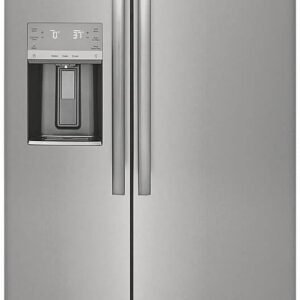
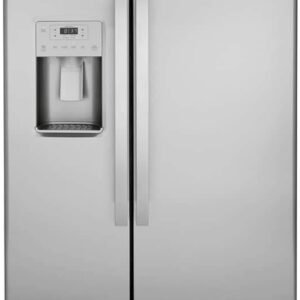
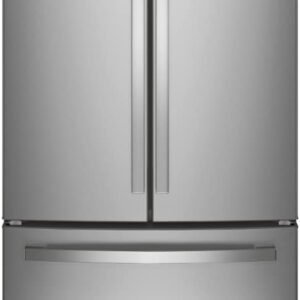
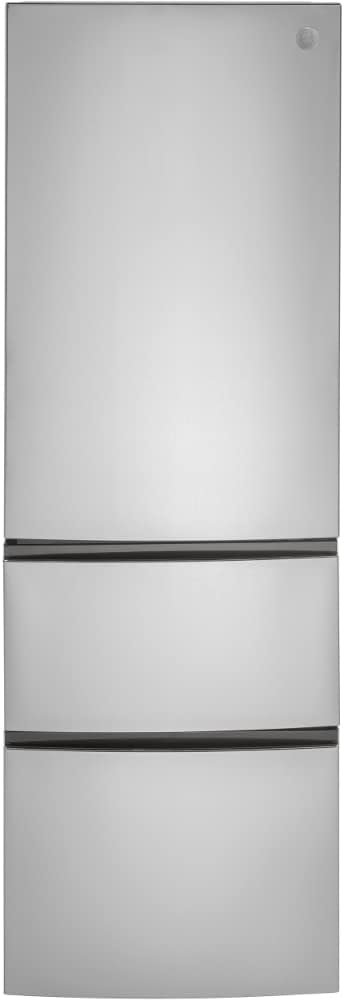
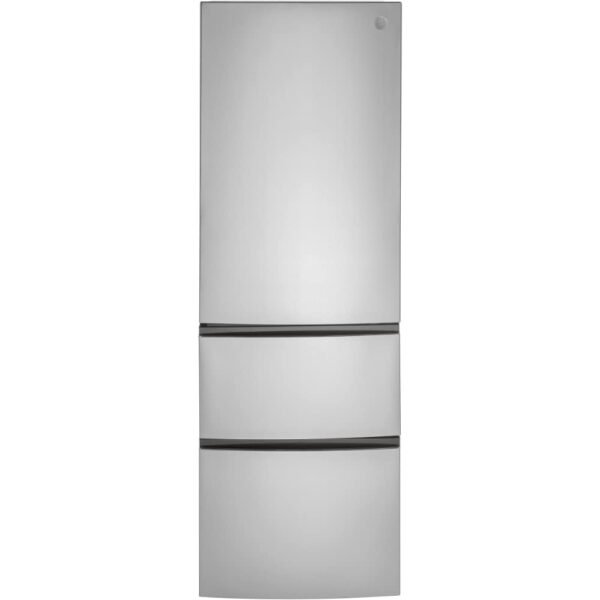
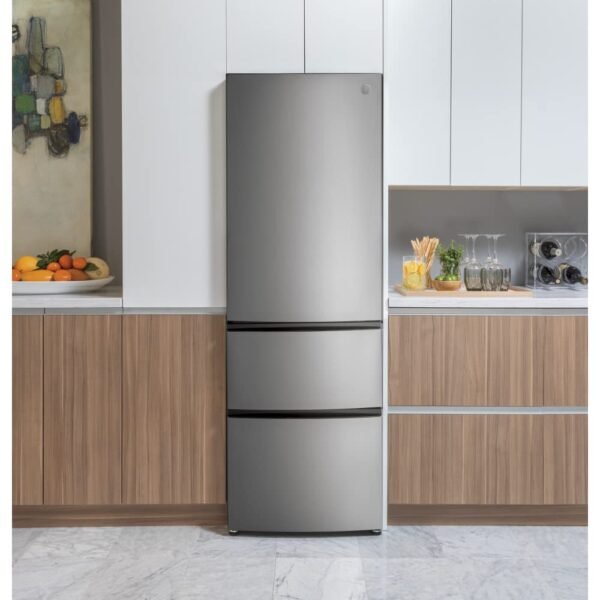
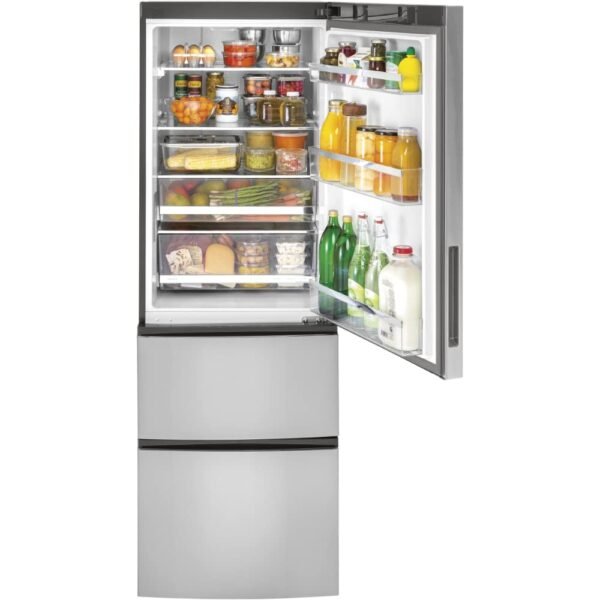
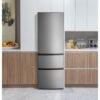
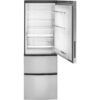
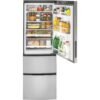
At 24 inches wide this is half the footprint of a mainstream refrigerator, and that is the entire reason it exists. GE lists 11.9 cubic feet of capacity in a counter depth cabinet measuring 24 by 27 by 70 inches, with a bottom freezer layout. The audience is an apartment kitchen, an in law suite, an office kitchen or a second refrigerator in a basement or garage, and in all of those the constraint is width rather than volume. A bottom freezer arrangement is the right choice at this size, because it puts the fresh food that gets used daily at eye level rather than making the owner bend for the milk.
Living with it day to day
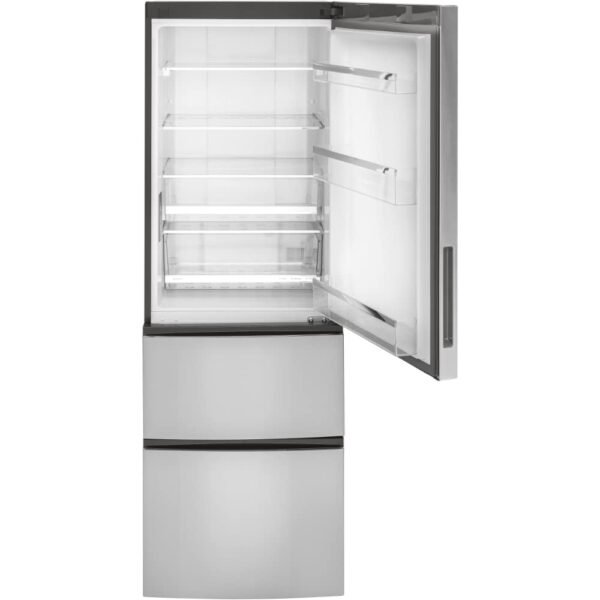
The temperature controlled drawer is the feature that separates this from a plain compact refrigerator. A drawer with its own temperature setting can be run colder than the main compartment for meat and fish or warmer for produce, and in a cabinet this small that flexibility matters more than it would in a 27 cubic foot cabinet with three separate crisper zones. A bottle storage rack takes wine or tall bottles off the shelves, where in a 24 inch wide cabinet they otherwise waste a whole shelf. Six shelves are listed, which is a reasonable number for the volume, and LED lighting is standard, the same arrangement used on much larger cabinets such as the GE GSS25IYNFS.
The realistic daily assessment is that 11.9 cubic feet supports one or two people who shop weekly. It does not support a family, and it does not support batch cooking, because the freezer portion of an 11.9 cubic foot bottom freezer cabinet is small. GE publishes no separate freezer capacity figure in this listing, so the split is not something that can be quoted here and should be taken from the specification sheet. No decibel rating is published either, which matters more than usual for a compact refrigerator, since these often end up in studio apartments and offices where the machine is a few feet from where people sit. The wider GE GWE19JYLFS at 33 inches is the next step up if the space allows.
Controls and connected features
There is no connectivity and nothing in the listing suggests any. This is a refrigerator with its own temperature controls and nothing else, which for a compact cabinet destined for a rental or an office is the sensible specification. Nothing needs an account or a network, nothing can be discontinued, and a tenant or a visitor can operate it without instructions. The temperature controlled drawer will have its own setting, and that is the extent of the interface. What is lost is the same as ever: no remote monitoring, no door alarm on a phone, and no notification if the cabinet warms up. In a second refrigerator kept in a garage, a door left ajar overnight is a real and expensive failure mode, and nothing here will warn anyone about it.
Running cost and upkeep
No electrical specification is published. There is no voltage, no amperage and no circuit information in this listing, so the installation manual is the reference. Energy Star certification is stated but no annual kilowatt hour figure appears, so running cost cannot be calculated from the data given. That is a bigger gap on a compact refrigerator than on a full size one, because compacts are often bought as second appliances that run alongside an existing cabinet, and the incremental electricity cost is exactly what a buyer wants to know.
The most important practical detail is the phrase icemaker ready. That means the cabinet is built to accept an ice maker but does not have one fitted. Turning it into a refrigerator that makes ice requires buying the kit and running a cold water supply to the cabinet, and the listing states neither the kit part number nor the water connection specification. For a 24 inch cabinet often installed in a retrofit, plumbing may be the larger part of that job. There is one further contradiction worth naming: the product title describes a freestanding refrigerator while the specification table records the installation type as built in, and the two are not interchangeable, since a built in installation requires front venting and a freestanding one does not. That question should be settled from GE’s specification sheet before anyone builds it into cabinetry. Beyond that, upkeep is condenser cleaning and gasket care, with no filter to buy unless the icemaker kit adds one. Buyers weighing this against a purpose built drinks cabinet should also look at the Zephyr PRB24C01CPG, which occupies a similar width for a very different job.
Highlights
- A 24 inch width that fits kitchens where a standard refrigerator cannot go.
- Bottom freezer layout keeps fresh food at eye level in a small cabinet.
- A temperature controlled drawer adds a second usable climate zone.
- Bottle storage rack keeps tall bottles from consuming a whole shelf.
- Counter depth design and Energy Star certification are both stated.
- No app or account, so it works out of the box for a rental or an office.
Things To Consider
- Icemaker ready means no icemaker is fitted, so a kit and a water line are extra.
- The title says freestanding while the specification table says built in, and the two need different installations.
- No freezer capacity figure is published, so the fresh and frozen split is unknown.
- No electrical specification and no annual energy figure appear in the listing.
- No decibel rating, which matters in a studio or office where the cabinet is close by.
- Nothing warns about a door left open, which is the common failure mode for a second refrigerator.
Who it is not for
A family cannot live out of 11.9 cubic feet, and anyone shopping for a primary refrigerator for more than two people should look at full size cabinets instead. Households that freeze in quantity will run out of freezer space quickly. Anyone who wants ice should understand that this cabinet does not make any as supplied, and that adding it involves both a kit and plumbing, whereas a cabinet such as the GE GYE18JYLFS arrives with a door mounted icemaker already fitted. And anyone planning to build this into a cabinet run should resolve the freestanding versus built in contradiction first, because getting that wrong causes an overheating condenser rather than a cosmetic problem. Other small format options sit alongside the full size cabinets in the refrigerators section.